

Purpose & Scope of This Sizing Guide
This document is written for coaches, athletic directors, and equipment managers responsible for roster sizing before placing a bulk order.
This is a production-based sizing reference — not retail or vanity sizing.
It applies to button-front, two-button, and pullover constructions using standard USA grading blocks.
All size recommendations in this guide are based on body measurements, structured pattern grading, and controlled ease allowance.
The objective is to:
-
Reduce sizing errors
-
Improve roster measurement accuracy
-
Clarify youth vs adult pattern differences
-
Prevent costly reorders
How Baseball Jerseys Are Sized (Manufacturing Standards Explained)
2.1 Chest-Based Grading System
The chest circumference is the primary control measurement in jersey sizing.
All sizes are graded from a base pattern block:
-
Youth base: typically Youth Medium
-
Adult base: typically Adult Large
Standard increments:
-
Youth: +2” chest per size
-
Adult: +2” chest per size (up to XL)
Grading adjusts:
-
Shoulder width
-
Armhole depth
-
Body length
-
Sleeve opening
Sizing is not created by simply widening the torso — full pattern geometry is proportionally scaled.
2.2 Athletic Cut vs Relaxed Cut
Athletic cut = reduced waist + higher armhole + performance taper.
Relaxed cut = additional torso ease + neutral shoulder pitch.

Athletic blocks are engineered for throwing mechanics.
Relaxed blocks allow more layering tolerance.
2.3 Ease Allowance & Mobility Tolerance
Ease allowance = garment measurement beyond body measurement.
Minimum recommended chest ease: 2–4 inches for competitive play.
Mobility validation includes:
-
Overhead extension
-
Cross-body rotation
-
Throw simulation
Insufficient ease restricts scapular movement. Excess ease disrupts drape and balance.
Youth Baseball Jersey Size Chart (USA Teams)
3.1 Youth Size Classification
Sizes range YXS–YXL.
Age is secondary. Body measurement is primary.
Never size by grade level alone.
3.2 Youth Measurement Chart
Each youth size chart must include:
-
Chest (Body Measurement)
-
Garment Chest (Finished Measurement)
-
Body Length (HPS to Hem)
-
Shoulder Width
Garment chest will always exceed body chest due to built-in ease allowance.
3.3 Youth Fit Recommendations
Recommended growth allowance:
-
Seasonal use: 1 inch
-
Multi-season use: up to 2 inches
Oversizing affects:
-
Shoulder alignment
-
Sleeve hang
-
Throwing mechanics
Youth programs aligned with USA Baseball standards prioritize proportional fit over oversizing.
Adult Baseball Jersey Size Chart (USA Teams)
4.1 Adult Size Classification
Adult sizes: XS–5XL.
Adult pattern blocks are structurally different from youth blocks.
Youth XL ≠ Adult XS.
4.2 Adult Measurement Chart
Adult charts include:
-
Chest (Body Measurement)
-
Garment Chest Width (Flat ×2 method)
-
Center Back Length
-
Sleeve Length
Flat method:
Measure underarm to underarm ×2 = total garment circumference.
4.3 Athletic vs Standard Cut Comparison
Athletic cut:
-
Reduced waist
-
Slightly shorter body length
-
Performance shoulder alignment
Standard cut:
-
Straighter side seam
-
Greater vertical drop
Professional fit parameters used in Major League Baseball emphasize mobility without excess volume.
Competitive collegiate programs in NCAA Baseball follow similar structured fit standards.
How to Measure Players Correctly (Step-by-Step Technical Method)
5.1 Required Tools
Use a soft tailor-grade measuring tape.
Measure over:
-
Fitted base layer only
-
No hoodies or bulky garments
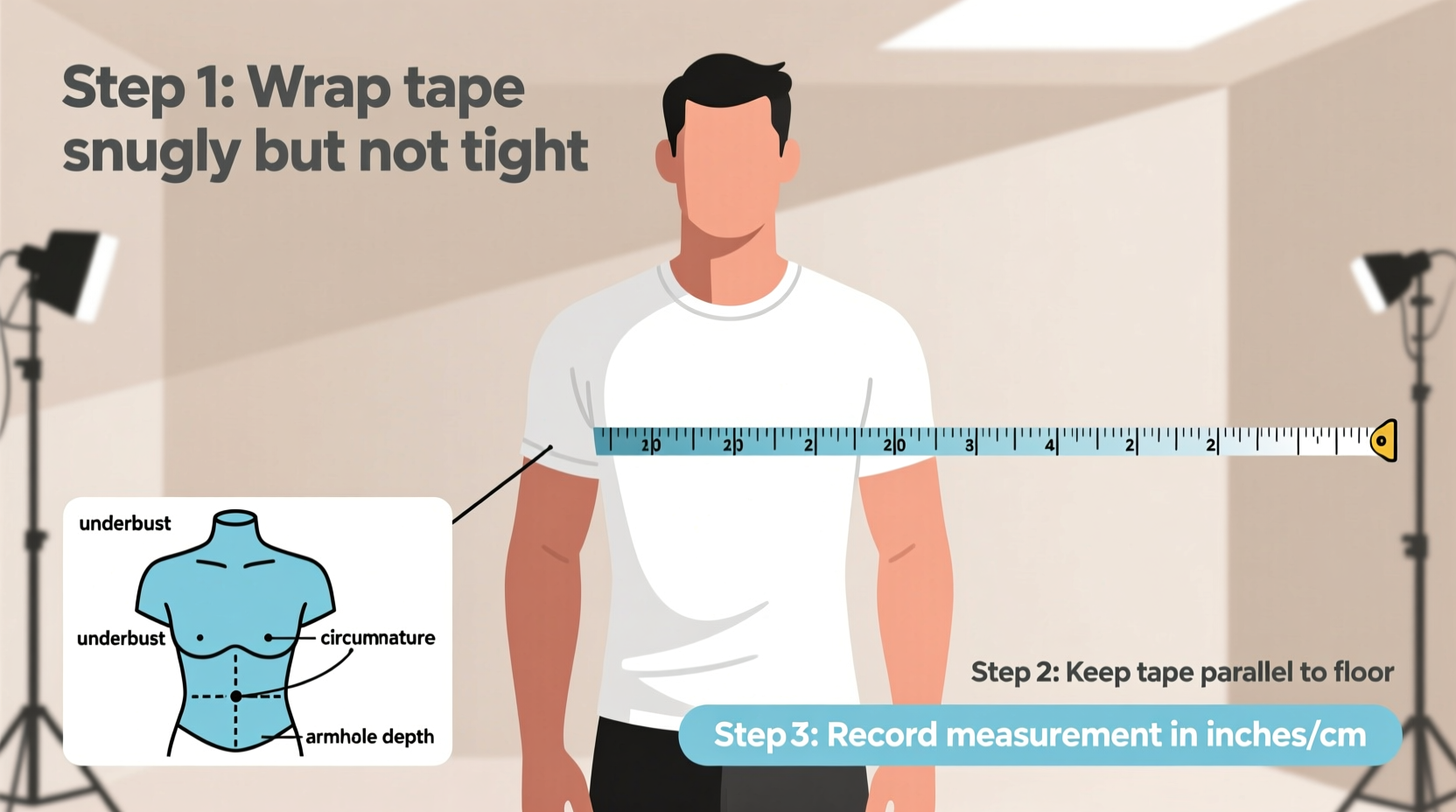
5.2 Chest Measurement Protocol
Tape position:
-
Under arms
-
Across fullest chest
-
Level across scapula
Tape must remain parallel to the floor.
Athlete posture:
-
Neutral stance
-
Normal breathing
Do not expand chest.
5.3 Body Length Reference
Measure from:
High Point Shoulder (HPS) to desired hem location.

Do not measure from neckline seam edge.
5.4 Common Measuring Errors
Most frequent issues:
-
Measuring over sweatshirts
-
Pulling tape too tight
-
Using last season’s roster data
For high school programs governed by NFHS (National Federation of State High School Associations), updated measurement verification each season prevents roster-wide mis-sizing.
Game-Fit vs Practice-Fit Considerations
Game jerseys:
-
Structured shoulder profile
-
Reinforced placket
-
Balanced hem drop
Practice builds:
-
Lighter construction
-
Slightly shorter length
Catchers require:
Additional torso length to prevent exposure during squat position.
Sublimated vs Tackle Twill Jersey Sizing Differences
Fabric structure affects perceived fit.
Polyester Interlock Fabric:
-
Moderate stretch
-
Smooth surface
-
Common in Sublimation Printing builds
Double-Knit Polyester:
-
Heavier
-
Less lateral stretch
-
More structured drape
Tackle Twill Appliqué:
-
Adds localized stiffness to chest panel
Perceived tightness is often caused by appliqué rigidity — not incorrect size.
Actual garment chest measurement does not change.
Production Tolerances & Quality Control
Standard industry tolerance:
±0.5” to ±1” depending on dimension.
Controlled through:
-
Digital pattern grading
-
Calibrated cutting systems
-
Spec sheet verification
Pre-production samples are measured before bulk cutting begins.
Size Grading for Full Team Orders
Mixed youth/adult teams require:
Separate pattern blocks.
Best practice:
-
Measure entire roster within 30 days of order
-
Document chest and body length
-
Confirm cut selection
Custom block grading may be required for advanced competitive programs.
Extended Sizes & Custom Pattern Development
Sizes 3XL–5XL require:
-
Shoulder reinforcement
-
Armhole depth recalculation
-
Length extension grading
Extended sizes are not simple width increases. Full structural rebalancing is required.
Frequently Asked Technical Questions
Should pitchers size differently?
No, if proper ease allowance (2–4 inches) is maintained.
Do sublimated jerseys shrink?
Properly heat-set garments maintain dimensional stability.
Can youth players wear adult XS?
Possible in chest measurement, but shoulder geometry differs.
How much growth allowance is safe?
1–2 inches beyond measured chest.
Are USA sizes consistent across manufacturers?
No. Pattern grading and ease allocation vary. Always follow the specific supplier’s chart.
Pre-Order Sizing Checklist for Coaches
Before submitting an order:
-
Roster measurements verified
-
Chest measurement confirmed
-
Cut type selected (Athletic / Standard)
-
Layering requirements considered
-
Final size approval documented
Manufacturer’s Fit Assurance Statement
All patterns are developed using structured athletic block methodology and validated through mobility testing prior to production.
Grading increments are digitally calibrated to maintain proportional scaling.
Each production batch is inspected against approved garment measurement specifications before shipment.
Our objective is measurement accuracy, structural balance, and roster-wide consistency.