
Stitching Quality Breakdown: Reinforced Seams, Thread Types & Durability
A clear guide to understanding how pro-grade stitching impacts performance and longevity.
The definitive guide to understanding how quality stitching extends the life of your sportswear
1. Introduction: Why Stitching Quality Matters in Sportswear
The construction of a sports jersey determines whether it lasts one season or five. While fabric gets most of the attention, stitching quality is what separates gear that performs under pressure from gear that falls apart mid-game.
Poor construction leads to split seams, fraying edges, and garments that lose their shape after a few washes. High-quality stitching ensures your jersey moves with you, withstands repeated stress, and maintains its professional appearance through countless matches.
Understanding how Baseball Pinstripe jerseys are assembled helps you recognize value and avoid products that won't hold up. This guide breaks down the technical elements that define durability so you can make informed purchasing decisions based on construction standards, not just price tags.
2. What Good Stitching Looks Like (At a Glance)
Before diving into technical details, here's what to check when evaluating a jersey:
- Straight, even lines with consistent spacing between stitches
- No loose threads or gaps along seam lines
- Flat seams that don't create bulky ridges against skin
- Multiple rows at stress points like shoulders and side panels
- Clean edges with finished hems that won't unravel
- Tight, secure joins where different fabric panels meet
If a garment passes these visual tests, the underlying construction is likely solid.
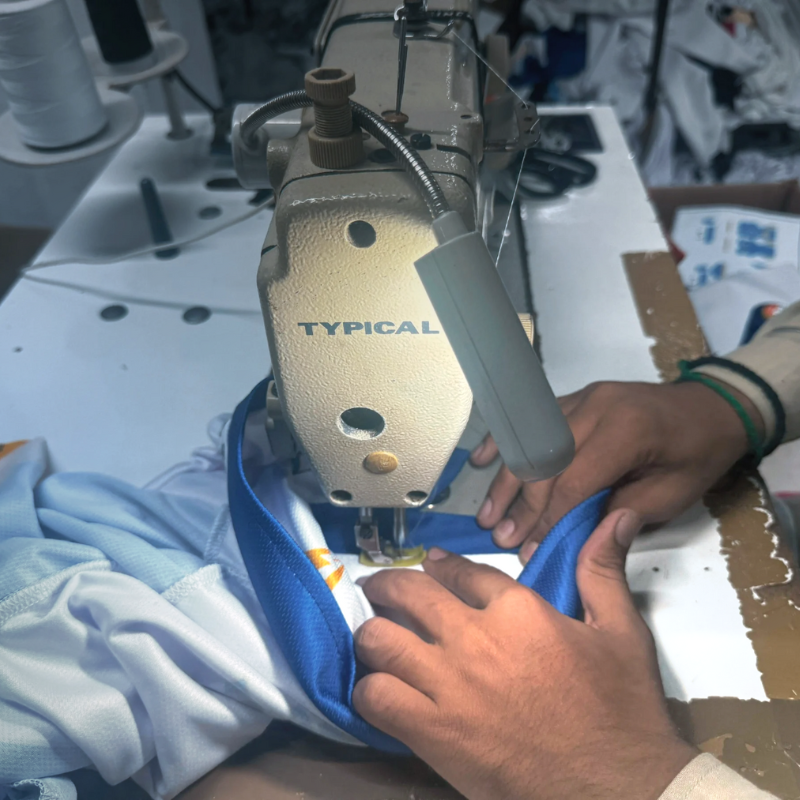
3. Reinforced Seams Explained
3.1 What Are Reinforced Seams?
Reinforced seams use additional stitching rows or specialized techniques to strengthen areas that experience high tension. Rather than relying on a single line of thread, these seams incorporate multiple passes or overlapping patterns that distribute stress across a wider area.
This construction method prevents the thread from bearing all the load at one point, which is typically where standard seams fail first during athletic movement.
3.2 Types of Reinforced Seams Used in Jerseys
The most common approaches include:
Bartack stitching
Dense zigzag patterns at pocket corners and sleeve ends
Multiple parallel rows
Two or three lines running side-by-side along critical joins
Cross-stitching
Diagonal patterns that lock fabric layers together
Taped seams
Fabric strips bonded over stitch lines for added strength
Each method serves specific purposes depending on fabric type, garment design, and intended use intensity.
3.3 Where You Should Expect Reinforcement
Premium jerseys include extra stitching at:
- Shoulder seams (where fabric panels join at the top)
- Armpit areas (high movement zones)
- Side seams (vertical joins that handle lateral stretching)
- Hem bottoms (where fabric edges are most vulnerable)
These zones experience the most stress during play, making reinforcement essential for long-term performance.
3.4 How Reinforced Seams Improve Durability
The primary benefit is load distribution. When you stretch your arms or twist your torso, standard single-thread seams concentrate all tension at narrow points. Additional rows spread that force across multiple lines, meaning if one thread weakens, others maintain structural integrity.
This redundancy extends garment lifespan significantly, often doubling or tripling the number of wear cycles before repairs become necessary.
4. Thread Types & Why They Matter
4.1 Overview: Why Thread Quality = Jersey Lifespan
Thread selection affects how well seams withstand abrasion, moisture, UV exposure, and repeated stretching. Cheap thread degrades quickly, leading to weakened seams even when the fabric remains intact.
Manufacturers choose specific thread types based on the demands each jersey will face during use.
4.2 Common Thread Types in High-Quality Jerseys
Polyester Thread
Offers excellent resistance to sunlight and chemicals, making it ideal for outdoor sports gear. It maintains strength when wet and doesn't break down from sweat exposure, which is why most performance jerseys rely on it for primary seams.
Nylon Thread
Provides superior elasticity and abrasion resistance. It's commonly used in high-stress areas where fabric needs to stretch repeatedly without the stitching breaking. However, it has lower UV resistance than polyester.
Core-spun Thread
Combines a polyester filament core with an outer cotton or polyester wrap, delivering both strength and a soft finish. This hybrid construction prevents the scratchy feel some synthetic threads create while maintaining structural integrity.
4.3 Thread Size & Strength
Thread thickness (measured in weight numbers like 40, 50, or 69) determines how much force a seam can handle. Heavier threads (lower numbers) provide more strength but create bulkier seams. Performance jerseys typically use mid-range weights that balance durability with comfort.
The stitch density—how many stitches per inch—also matters. More stitches mean tighter seams but require careful tension control to avoid puckering.
4.4 UV & Sweat Resistance
Threads treated for UV protection prevent degradation from sun exposure, which is critical for outdoor training gear. Sweat-resistant finishes stop moisture from weakening the fiber structure over time.
Without these treatments, thread can lose up to 30% of its strength within a few months of regular outdoor use, even if the fabric shows no visible wear.
5. Stitching Techniques Used in Performance Jerseys
Flatlock Stitching
Creates smooth, flat seams that minimize chafing during movement. This technique interlocks two fabric edges so they lie completely flat, making it ideal for areas that rub against skin. You'll find it along side panels and sleeve attachments in premium jerseys.
Double-needle Stitching
Uses two parallel rows of thread for added strength and a professional finish. This method is standard for hems and necklines where fabric edges need to be secured without creating bulk. It also provides a clean aesthetic appearance.
Overlock Stitching
Wraps thread around fabric edges to prevent fraying while joining panels. This technique is common in budget and mid-range jerseys because it's efficient and creates reasonably durable seams, though it doesn't offer the same chafe-free comfort as flatlock construction.
Each technique has trade-offs between comfort, durability, and production cost. High-end jerseys often combine multiple methods in different zones.
6. Stress Points: The First Places Low-Quality Stitching Fails
Shoulder Seams
Bear the weight of the garment and handle arm movement, making them prone to separation if poorly constructed. Look for double or triple stitching here.
Armpit Gussets
Experience multidirectional stretching with every arm motion. Weak stitching creates holes within weeks of regular use.
Side Seams
Handle lateral stretching when you twist or bend. Single-stitch construction commonly fails here first in lower-quality garments.
Hem Edges
Fray quickly if not properly finished with reinforced stitching or binding.
Inspecting these zones before purchase reveals whether a manufacturer prioritized durability or cut costs in critical areas.
7. How B1 Apparel Ensures Pro-Grade Stitching Quality
Certified Facilities
B1 Apparel uses certified facilities that maintain strict quality control protocols throughout production.
Specialized Equipment
Our manufacturing partners employ specialized machines that maintain consistent tension and stitch density.
Sport-Specific Thread
Thread selection follows sport-specific requirements—outdoor jerseys receive UV-resistant thread, indoor gear prioritizes elasticity.
Final inspections catch any construction flaws before garments ship, meaning customers receive products that meet professional-grade standards without paying custom tailoring prices.
8. How Stitching Affects Overall Jersey Durability
Even premium fabric can't compensate for poor construction. Seam failure occurs long before fabric degradation in most low-quality jerseys, meaning the garment becomes unwearable while the material remains intact.
Strong stitching preserves garment shape through repeated washing and wearing. Weak seams allow fabric to shift and stretch unevenly, creating distortion that makes jerseys look worn out even when they're technically still functional.
The relationship between construction and lifespan is direct: superior stitching typically doubles the usable life of a jersey compared to standard assembly methods. This difference becomes especially apparent after 20-30 wash cycles, when inferior thread begins showing visible wear.

9. How to Inspect Stitching Quality Before Buying
Use this checklist when evaluating jerseys:
If you're buying online, zoom into product photos focusing on seam areas. Reputable manufacturers showcase construction quality rather than hiding it.
10. Stitching Care & Maintenance Tips
10.1 Washing Tips
Turn jerseys inside out before washing to reduce friction on seams. Use cold or warm water instead of hot, which can weaken thread over time. Avoid harsh detergents with bleach or fabric softeners that break down synthetic threads.
Close all zippers and fasten buttons to prevent snagging during the wash cycle.
10.2 Drying Tips
Air drying extends seam life significantly. If using a dryer, select low heat settings—high temperatures cause thread to become brittle and lose elasticity.
Remove jerseys while slightly damp to prevent over-drying, which stresses both fabric and stitching.
10.3 Preventing Seam Stress
Avoid wringing jerseys to remove water; instead, press gently or roll in a towel. Don't hang wet jerseys from shoulder seams—lay flat or drape over a wide hanger to distribute weight evenly.
Store jerseys folded rather than on hangers for extended periods, which prevents shoulder seam stretching.
10.4 When to Repair vs. Replace
Small seam separations under an inch can be repaired if caught early. Bring the garment to a tailor who can reinforce the area with matching thread.
If multiple seams show wear, major stress points have separated, or thread appears sun-damaged throughout, replacement is more cost-effective than extensive repairs.
11. Comparison Table: Reinforced Stitching vs Standard Stitching
| Feature | Standard Stitching | Reinforced Stitching |
|---|---|---|
| Stitch Rows | Single line | Multiple parallel rows |
| Stress Distribution | Concentrated at one line | Spread across wider area |
| Typical Lifespan | 1-2 seasons | 3-5+ seasons |
| Common Failure Point | First wear zone | Fabric before seams |
| Construction Time | Faster | Requires additional passes |
| Cost | Lower | Moderate increase |
| Best For | Casual wear | Performance sportswear |
12. FAQs
Q: How can I tell if a jersey has quality stitching without trying it on?
A: Look for multiple stitch rows at shoulders and sides, consistent spacing, and clean finished edges. High-quality construction shows no loose threads or irregular patterns.
Q: Does more expensive always mean better stitching?
A: Not necessarily. Some premium pricing reflects branding rather than construction. Focus on visible quality indicators like seam reinforcement and thread consistency rather than price alone.
Q: Will washing in hot water damage jersey stitching?
A: Yes. High temperatures cause synthetic thread to lose strength and elasticity over time. Cold or warm water preserves both fabric and seam integrity.
Q: How many washes should quality stitching withstand?
A: Well-constructed jerseys maintain seam integrity through 50+ wash cycles when properly cared for. Failure before 20 washes indicates substandard construction.